
The quick answer
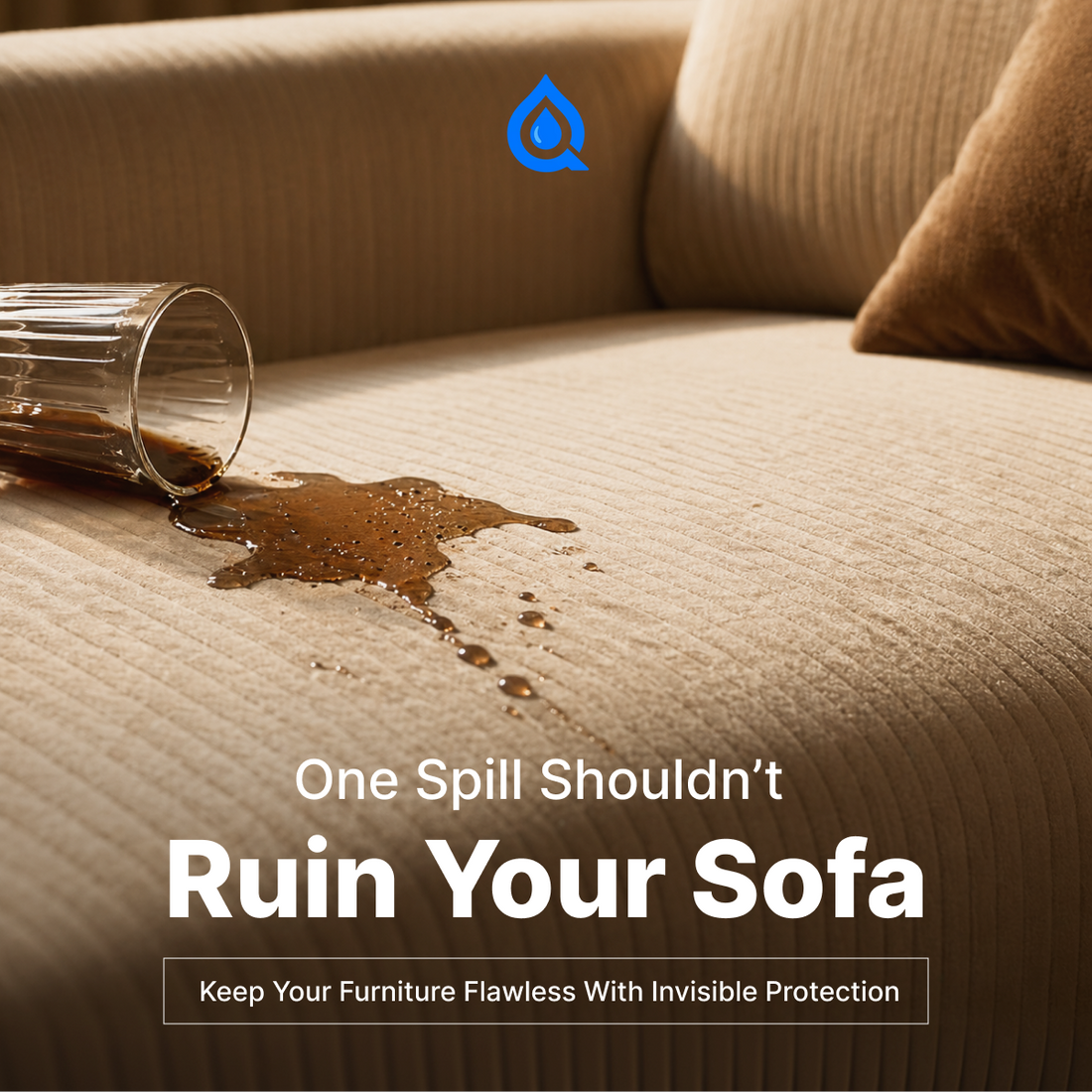
Furniture nanocoating is an ultra thin protective treatment that helps suitable upholstery resist fast liquid absorption and everyday dirt. It gives you more time to blot a spill while keeping the fabric's natural appearance and feel.
Life in a Dubai home moves quickly: morning coffee on the sofa, children racing through the living room, guests around the dining table and fine dust settling between cleanings. Furniture nanocoating adds a practical line of defence without wrapping your furniture in plastic or making it look treated.
Furniture nanocoating in 30 seconds
| What it is | What you notice | What you still need to do |
|---|---|---|
| A very thin treatment applied to compatible fibres or surfaces | Liquids may bead or spread more slowly instead of soaking in immediately | Blot spills promptly and follow the aftercare guidance |
What does “nano” actually mean?
“Nano” describes an extremely small scale. In furniture protection, the term usually refers to a coating designed to interact with a surface at a microscopic level. The treatment settles around suitable fibres or across a compatible hard surface, forming a barrier that is too thin to see under normal conditions.
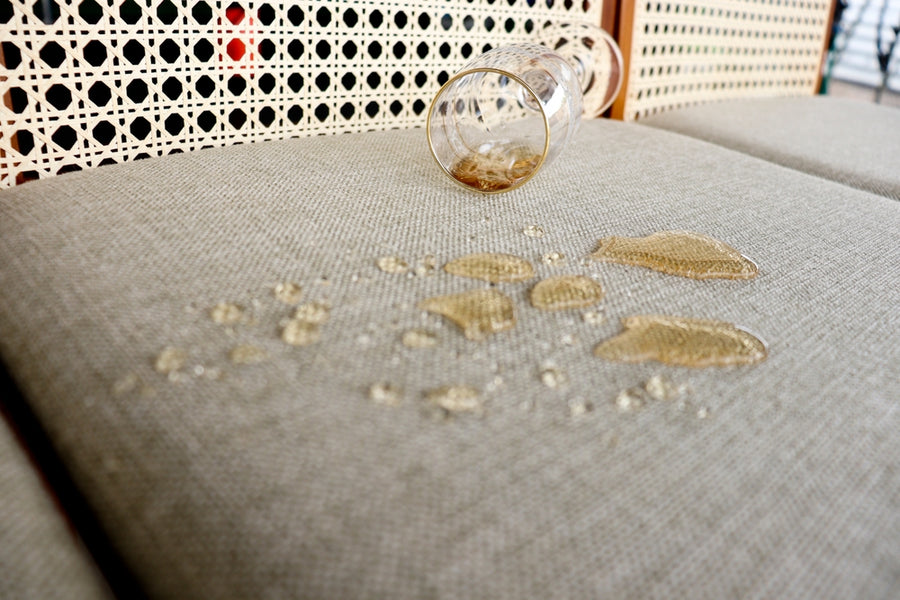
Think of untreated fabric as a network of tiny pathways. A drink can travel along those pathways and deeper into the upholstery. A suitable coating changes how the outer surface interacts with liquid, so the spill has less opportunity to spread immediately. That extra response time is the practical benefit homeowners notice.
How the protection works
- Inspection: the technician identifies the material, condition and any previous treatments.
- Compatibility test: a discreet patch is checked before full application.
- Preparation: the item must be clean, dry and free from residues that could interfere with bonding.
- Even application: the correct amount is distributed across the surface and high use zones.
- Curing: the coating is left undisturbed for the specified time so it can settle and perform correctly.
Application quality matters as much as the product. Too little coating may leave gaps; too much can create uneven results. That is why assessment, coverage and curing are part of a professional service rather than optional extras.
Which household items may be suitable?
| Item | Why people protect it | What must be checked |
|---|---|---|
| Sofas & armchairs | Daily use, drinks, food and pet contact | Fabric composition, dye stability and existing protectors |
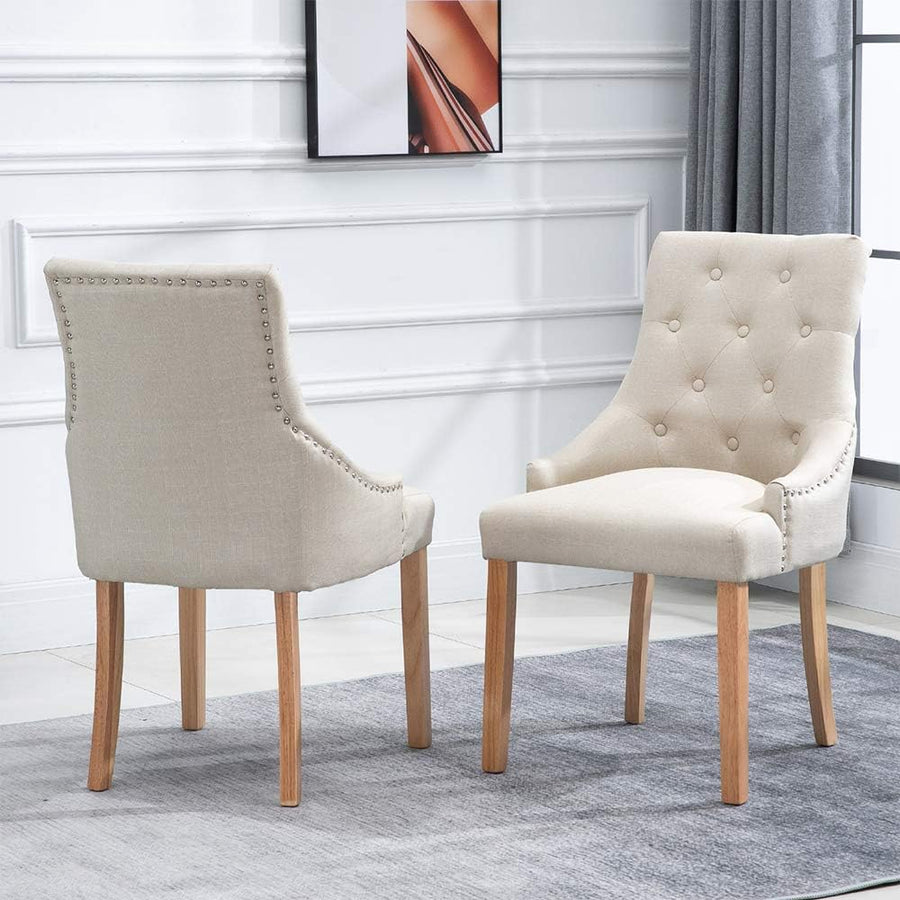
| Dining chairs | Sauces, juice, coffee and frequent handling | Upholstery type and decorative finishes |
| Headboards & mattresses | Body oils, accidental drinks and routine care | Breathability, construction and manufacturer guidance |
| Rugs & curtains | Dust exposure and accidental splashes | Fibre, backing, colourfastness and installation |
Myth versus reality
| Common myth | Reality |
|---|---|
| “The sofa becomes completely waterproof.” | The treatment improves resistance on compatible material; it is not permission to leave spills unattended. |
| “It stops every type of damage.” | It does not prevent cuts, burns, abrasion, dye transfer or structural damage. |
| “Every fabric can use the same formula.” | Material composition and existing treatments determine compatibility and product choice. |
| “Once treated, no maintenance is needed.” | Gentle maintenance and fast spill response still help preserve the furniture. |
What nanocoating can and cannot do
It can help with
- Slowing liquid absorption on compatible surfaces
- Making routine care more manageable
- Preserving the original look and texture
- Supporting longer lasting everyday appearance
It cannot prevent
- Burns, cuts and heavy abrasion
- Permanent damage from ignored spills
- Damage from unsuitable cleaning chemicals
- Normal wear or structural problems
Is your furniture a good candidate?
It may be suitable if the item is structurally sound, its material can be identified and any heavy soiling can be cleaned first. A professional inspection is especially important for delicate natural fibres, vintage pieces, unstable dyes, leather, mesh, previously treated upholstery and items with manufacturer restrictions.
Dubai home tip: protect new furniture early, before repeated spills and cleaning products build up on the surface. New does not mean “automatically compatible,” so inspection still comes first.
Frequently asked questions
Will it change the colour or feel?
The goal is invisible protection that preserves the original appearance and hand feel. A patch test is used to confirm compatibility before full application.
Is it suitable for homes with children or pets?
Suitability depends on the exact product, surface and curing instructions. Ask for the relevant product information and keep people and pets away during application and curing as directed.
How long does furniture nanocoating last?
Performance varies with the material, use level, cleaning routine, abrasion and coating selected. Aqua Protection explains the expected service life and applicable warranty terms after inspection.
What should I do when something spills?
Blot promptly with a clean, absorbent cloth. Do not rub aggressively or use an unapproved chemical. Follow the aftercare instructions supplied for your furniture.
Continue learning
- See exactly how nanocoating handles spills and stains
- Explore the science behind the protective layer
- Follow Aqua Protection's application process
Want to know if your furniture is suitable?
Send Aqua Protection clear photos of the item and its material label. We will assess the surface and recommend the right next step for your Dubai or UAE home.