
Our process in one line
Inspect → identify → prepare → patch test → apply evenly → cure → check → explain aftercare.
A furniture coating is only as reliable as the process behind it. The bottle matters, but so do the surface condition, product match, coverage, curing and aftercare. This guide shows how Aqua Protection approaches a professional furniture nanocoating job and what customers should expect before, during and after the appointment.
The eight step Aqua Protection workflow
| Step | What we do | Why it matters |
|---|---|---|
| 1. Remote review | Review clear photos, dimensions and care labels | Helps us plan the assessment and quotation |
| 2. On site inspection | Check fibre, finish, condition, seams and previous treatments | A similar looking fabric can require a different approach |
| 3. Preparation | Confirm the item is clean, dry and free from interfering residue | Coating over contamination can produce uneven performance |
| 4. Patch test | Test an inconspicuous area when appropriate | Checks appearance, feel and surface response |
| 5. Product selection | Match the treatment to the confirmed material and use | There is no responsible one formula for everything shortcut |
| 6. Controlled application | Apply a measured, even treatment, including relevant edges and high use zones | Uniform coverage reduces weak spots |
| 7. Curing | Leave the surface undisturbed for the specified period | The treatment needs time to develop its intended performance |
| 8. Handover | Review the work and explain use, spill care, cleaning and warranty terms | Correct aftercare protects the result |
Step 1: the photos we need
A good initial assessment starts before the appointment. Send a full view of each item, close ups of the upholstery, the manufacturer's material or care label, visible stains or wear, and approximate dimensions or seating capacity. Tell us whether the item is new, recently cleaned or previously protected.
Shows shape, size and access.
Shows weave, finish and condition.
Provides fibre and cleaning clues.
Shows stains, damage or heavy wear.
Step 2: inspection and material identification
We look beyond colour. Two beige sofas can be made from different fibres, backing materials and factory finishes. The technician considers the fabric's absorbency, stability, existing treatments, high contact zones, seams, piping and internal construction. If the surface cannot be identified with enough confidence, we slow down and test rather than guess.
Step 3: cleaning and preparation
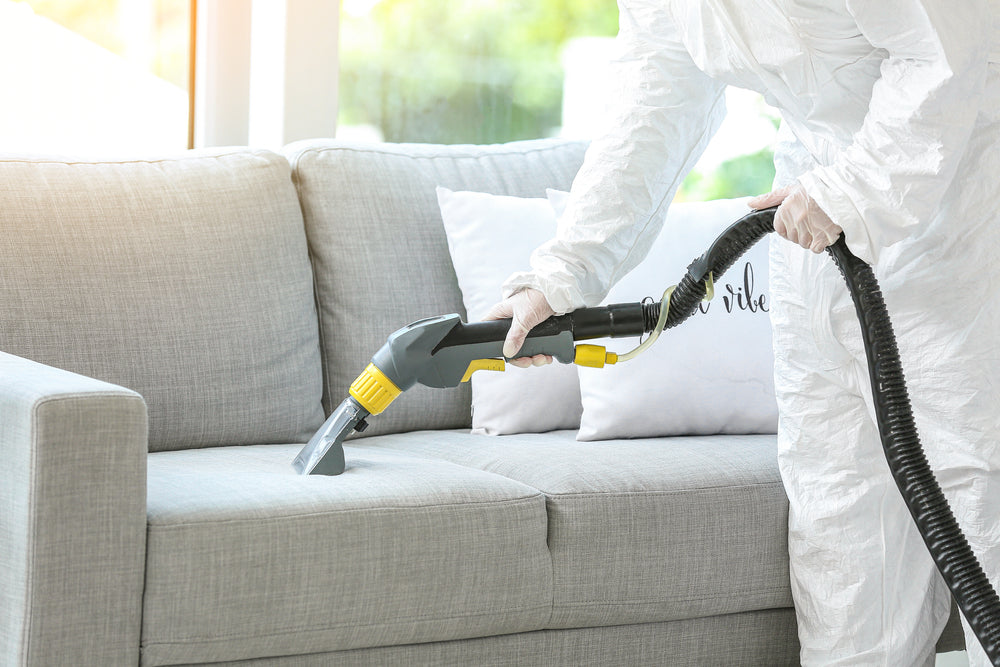
Nanocoating does not erase stains or trap them harmlessly underneath. The surface should be in suitable condition before protection. Dust, body oils, detergent, silicone based polish and previous protector can all interfere with an even result. If professional cleaning is required, enough drying time must be allowed before coating.
Step 4: patch testing
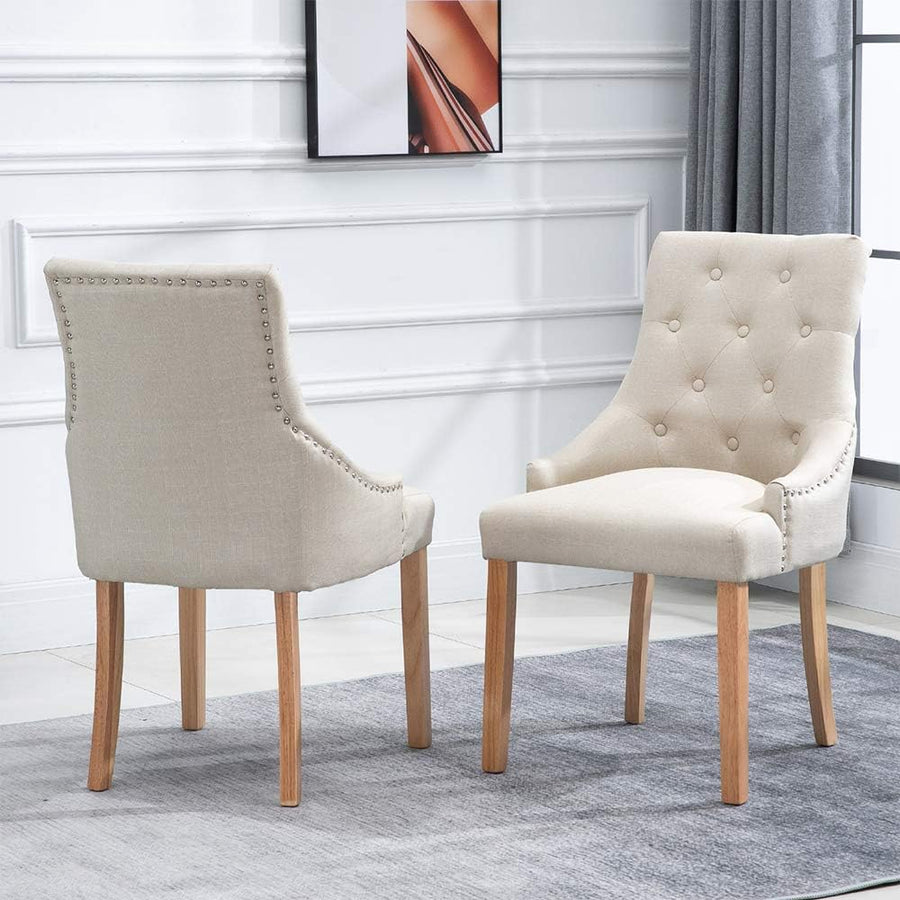
A small inconspicuous test helps confirm that the selected treatment does not create an unacceptable change in colour, texture or finish. Patch testing is especially important on natural fibres, delicate dyes, vintage pieces, mixed materials and surfaces with an unknown treatment history.
What materials and products do we use?
“Material” can mean two different things: the furniture material we are treating and the professional coating chosen for it. We do not describe every job with a vague universal formula because suitability depends on the surface.
| What is selected | Selection is based on | What you can ask for |
|---|---|---|
| Furniture coating | Fibre or surface, finish, use level and required resistance | Product identification and job specific instructions |
| Preparation method | Soiling, residues, care label and previous treatment | Whether cleaning is required before coating |
| Application tools | Surface area, shape and need for controlled, even coverage | How overspray and surrounding areas will be managed |
| PPE and ventilation | Product instructions and site conditions | Ventilation, re entry and curing guidance |
| Safety information | The exact product selected for the job | Relevant product information or Safety Data Sheet where available |
Transparency matters: terms such as “eco friendly,” “organic” or “non toxic” should be supported by product specific information and correct use instructions. Ask questions before the appointment, especially if the home includes children, pets or sensitive occupants.
Step 5: controlled, even application
The technician plans the working sequence so relevant areas receive consistent treatment. Flat panels, cushion faces, seams, piping, armrests and edges may not absorb or wear in the same way. Surrounding floors, walls and furniture are managed to prevent unnecessary exposure or overspray.
Application is not a contest to make the surface as wet as possible. The goal is the specified amount for that material, distributed evenly. Overapplication can be just as undesirable as missed areas.
Step 6: curing and room handover
Curing time varies by product, material and site conditions. During the specified window, the item should not be sat on, covered, rearranged, exposed to moisture or cleaned. We explain when normal use can resume and when future cleaning is appropriate.
| Period | Customer action |
|---|---|
| During application | Keep the work area clear and follow technician guidance for people and pets. |
| Specified curing window | Do not use, cover, clean or expose the item to moisture. |
| After curing | Resume normal use and keep the aftercare instructions accessible. |
| When a spill happens | Blot promptly; do not rub or use an unapproved chemical. |
| Before future deep cleaning | Tell the cleaning provider that the item is treated and confirm compatible methods. |
Professional service versus a DIY spray
| Professional process | Typical DIY challenge |
|---|---|
| Material assessment and patch test | Material may be guessed from appearance |
| Preparation evaluated before application | Residue or hidden soiling may be overlooked |
| Coverage planned for shape and high use areas | Uneven spraying and missed edges are common risks |
| Job specific curing and aftercare explained | Generic instructions may not match the furniture |
| Service record and applicable warranty terms | Responsibility remains with the user |
What to prepare before the team arrives
- Remove personal items, throws and loose objects from the furniture.
- Provide clear access and nearby parking or building instructions.
- Tell us about previous cleaning, protectors, repairs or spills.
- Share concerns about children, pets, allergies or sensitivities in advance.
- Plan for the item to remain unused throughout the specified curing period.
Frequently asked questions
Can coating be applied immediately after deep cleaning?
Only when the item has reached the required clean and dry condition. Applying over retained moisture or residue can interfere with performance.
Do you use the same coating on fabric and leather?
Not automatically. Leather, textiles and hard surfaces have different finishes and chemistry. Product selection follows material identification and compatibility testing.
Can you coat only the seat cushions?
Partial treatment may create different performance across the same item. The appropriate scope should be agreed after inspecting how the furniture is used and constructed.
What warranty applies?
Aqua Protection's furniture service page advertises a three year warranty. Eligibility, exclusions, maintenance requirements and the exact terms for your item should be confirmed in the quotation and service documentation.
Continue the series
Ready for a material specific assessment?
Send full item photos, close ups and the care label. Aqua Protection will recommend the preparation, treatment and aftercare appropriate for your furniture.